
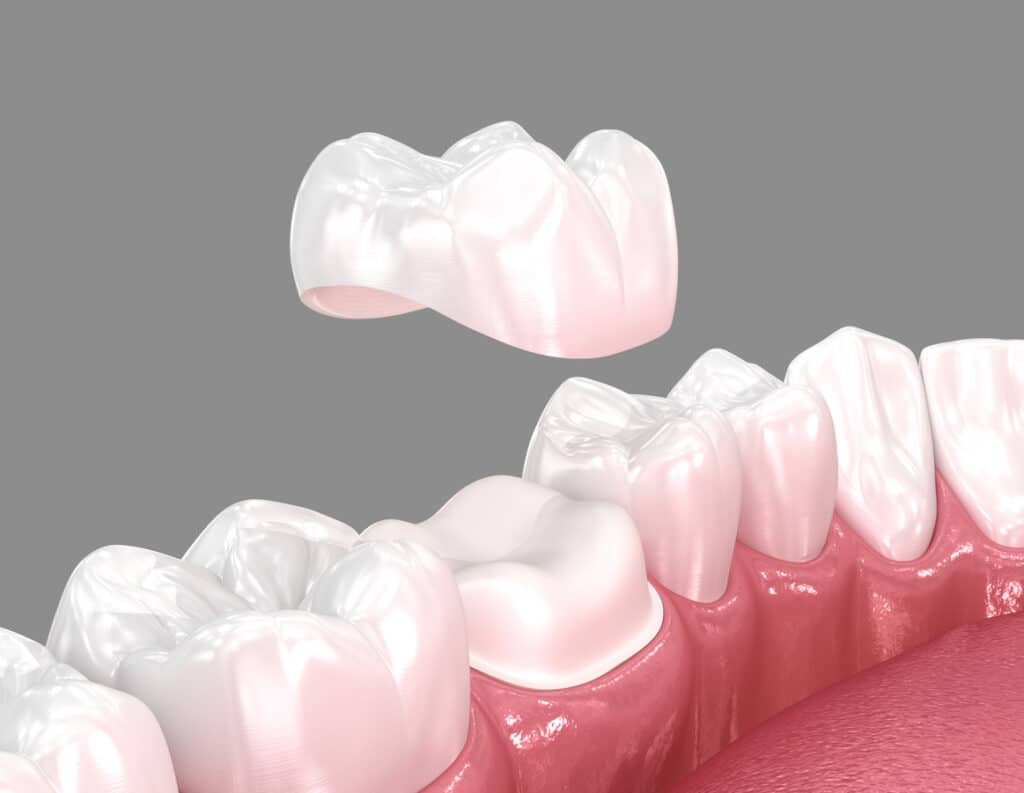
A dental crown procedure timeline is a two-phase process that typically spans ten to fourteen days. Your initial preparation visit takes sixty to ninety minutes for digital scanning and temporary placement. Clinical literature indicates that to prepare your tooth for a crown, your dentist will need to remove some of your natural enamel [1] (Cleveland Clinic, 2020). The final seating appointment requires just thirty to forty-five minutes to permanently bond your custom restoration.
How to Fit Crown Appointments Into Your Busy Garner Schedule
Finding time for dental work often feels like a puzzle. If you commute to Raleigh or manage the daily school run for your kids, you want to minimize your time away from your routine. We recommend a strategic approach to booking your two crown visits. Schedule your longer, 60-to-90-minute preparation visit first thing in the morning. This lets the localized numbing wear off by lunch, so you can easily tackle your afternoon meetings. Because the final seating appointment takes only about 30 minutes, you can easily slide it into a late-afternoon slot on your way home. By planning your visits around your natural Wake County commute, you preserve your valuable paid time off and keep your week moving forward without interruption.
Managing Mild Sensitivity During the 14-Day Wait
Your temporary crown protects your tooth while the lab crafts your permanent restoration. However, because we shaped your natural enamel during your first visit, the underlying tooth nerve might feel slightly “awake” or sensitive for a few days. This mild reaction is perfectly normal. Clinical literature supports that preparing vital teeth for full-coverage crowns can cause sharp, transient pain due to dentinal hypersensitivity in most cases [2] (Yadav et al., 2014). You can manage it easily at home without a prescription. Over-the-counter anti-inflammatories, like ibuprofen, quickly reduce any minor tissue swelling. You should also brush your teeth with warm water instead of cold tap water to avoid triggering a sharp nerve response. If you feel a lingering ache that lasts more than a few days, simply call our Timber Family Dental team. A quick bite adjustment on your temporary crown is often all it takes to keep you comfortable.
Comparisons: The Temporary vs. Permanent Phase
Understanding how to treat your tooth during the waiting period is critical to keeping your timeline on track.
Treatment Phase | Primary Purpose | Cost Expectation | Durability | Maintenance Level |
Temporary Crown Phase (Days 1-14) | Protects the shaped tooth nerve while the lab builds your permanent restoration. | Included in total treatment cost. | Low (Designed to break away easily for final removal). | High (Avoid sticky foods; pull floss through instead of popping it up). |
Permanent Crown Phase (Years 1-15+) | Restores full chewing strength, bite alignment, and natural aesthetics. | Varies by insurance and material (e.g., Zirconia). | Maximum (Highly resistant to cracking and daily wear). | Low (Standard daily brushing and flossing required). |
The Temporary Crown Diet: What to Eat and Avoid
For the 10 to 14 days you wear your temporary acrylic crown, you need to adjust your diet slightly. The temporary cement we use is designed to release easily when you return for your final visit. Because of this, eating the wrong foods can pull the temporary cap right off your tooth. For this short timeline, stick to a softer diet. You can enjoy soft proteins, steamed vegetables, and pasta. However, you must avoid sticky or chewy foods. Skip the chewing gum, caramel, and chewy protein bars. You should also avoid hard, crunchy items like ice, nuts, or hard crusts from your favorite local pizza spot. Once we bond your permanent crown into place, you can confidently return to your normal, unrestricted diet.
Phasing Multiple Crowns: A Realistic Treatment Timeline
Sometimes, Dr. Byrd or Dr. Barbaro will find that you need more than one crown to restore your bite. Treating multiple teeth at once can feel overwhelming for your schedule and budget. If you require multiple restorations, we use a phased treatment timeline. We do not have to fix every tooth in a single month. First, we identify and treat the tooth with the deepest decay or the highest risk of fracturing. We secure that tooth to eliminate your immediate pain. Then we will set a timeline to work on the rest of the teeth over the next few months. This technique will help you to prolong your time in the chair and enjoy every one of your annual insurance benefits without feeling hurried.
Lifespan Timeline: Long-Term Care for the New Crown
After your permanent crown is placed, the surgical timeline is over, and the long-term maintenance timeline begins. A custom dental crown is a serious investment in your health, and with the right care, it can easily last 10 to 15 years or more. Protecting your new smile requires very little extra effort. Treat it like a natural tooth. For healthy gums, brush twice a day and gently floss around the base of the crown. During your six-month preventive cleanings, our hygienists will check the crown margins to make sure the seal is tight. Do you wake up with jaw pain or grind your teeth at night? We can make a custom nightguard for you. This simple protective shield prevents you from grinding away your new porcelain, ensuring your smile stays strong for decades.
FAQs
1. Can I go back to work the same day as my crown preparation?
Yes. You can return to work immediately after your appointment. The localized numbing will wear off in about two to three hours. You can speak and function normally, making it easy to return to the office.
2. How soon can I eat after my crown is cemented?
If you received a temporary crown, we recommend waiting about 30 minutes for the temporary cement to set before eating. Avoid sticky or hard foods on that side of your mouth. Once your permanent crown is bonded, you can generally eat as soon as the numbness fades.
3. What happens if my temporary crown falls off over the weekend?
A loose temporary crown is a minor inconvenience, not a major medical emergency. If it falls off, keep the temporary crown safe in a small container. Call our office on Monday morning, and we will quickly recement it to keep your tooth protected until your final restoration arrives.
References
[1] Cleveland Clinic. (2020). Dental crowns | Cleveland Clinic. Cleveland Clinic. https://my.clevelandclinic.org/health/treatments/10923-dental-crowns
[2] Yadav, K., Sofat, A., Gambhir, R. S., & Galhotra, V. (2014). Dentin hypersensitivity following tooth preparation: A clinical study in the spectrum of gender. Journal of natural science, biology, and medicine, 5(1), 21–24. https://doi.org/10.4103/0976-9668.127277