
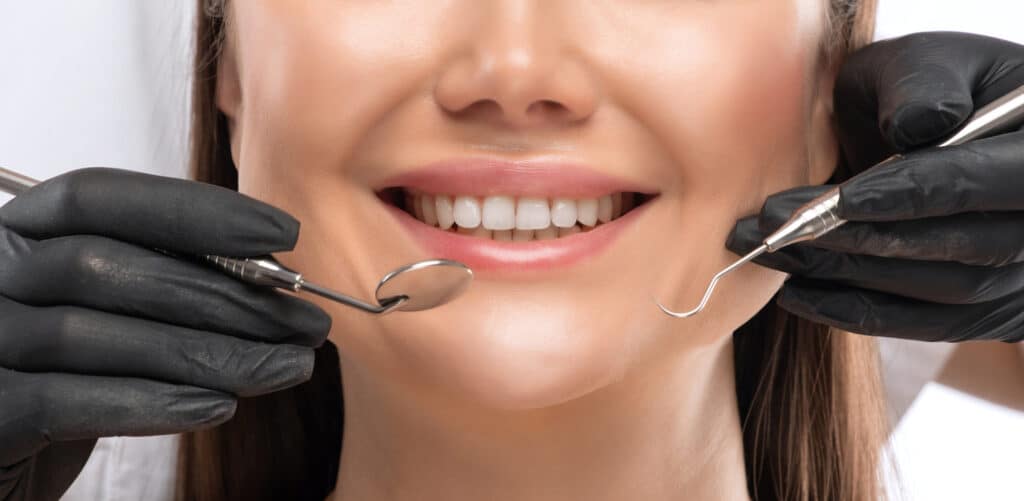
A broken filling repair is a targeted restorative procedure that safely removes damaged composite or amalgam, cleans any underlying secondary decay, and places a fresh, durable restoration to protect the vulnerable inner nerve and restore bite function. Notably, medical evidence indicates that repair should be strictly limited to fillings with imperfections at the margin [1] (Kirsch et al., 2016).
How to Protect Your Tooth Before You Reach the Clinic
Losing a filling can expose the delicate inner layers of your tooth. While you wait for your repair appointment at Timber Family Dental, protect that vulnerable area. First, keep your mouth clean by gently rinsing with warm salt water after meals. This washes away stray food particles without irritating the exposed nerve. Next, avoid extreme temperatures. Skip hot morning coffee and ice-cold drinks, as they can send a sharp jolt of pain straight to the tooth. Finally, head to a local pharmacy and pick up over-the-counter dental wax. Roll a small piece of this soft wax into a ball and gently press it into the empty space. This creates a safe, temporary barrier that shields your nerve from the air and prevents sharp enamel edges from cutting your tongue.
The Hidden Threat of Secondary Decay Under Cracked Fillings
A cracked filling is more than just a physical annoyance when you chew. When your restoration fractures, it compromises the airtight seal protecting your tooth. Saliva, food particles, and cavity-causing bacteria quickly seep into the microscopic cracks. Because your toothbrush cannot reach underneath a broken filling, these bacteria multiply rapidly. They can produce acid that eats away at the soft dentin inside your tooth, creating what dentists call “secondary decay.” You might not feel this happening right away. However, if left unchecked, this hidden infection will travel straight down into the root. Replacing the broken material promptly stops this silent decay and saves your natural tooth structure.
Why Old Silver Amalgam Fillings Crack and Leak
Many patients visit our clinic with broken fillings that were placed decades ago. If you have older silver (amalgam) fillings, they are highly prone to age-related failure. Amalgam is a metal alloy. Like all metals, it reacts to temperature changes. Every time you sip hot tea or eat cold ice cream near Lake Benson, that metal filling slightly expands and contracts. Over ten or twenty years, this constant shifting acts like a wedge inside your tooth. It creates tiny stress fractures in your surrounding natural enamel and causes the edges of the filling to pull away or break off. When an old metal filling fails, it usually means the material has reached the end of its natural lifespan. Additionally, researchers agree that amalgam restorations leach mercury into the mouth [2] (Rathore et al., 2012).
Upgrading to Biocompatible Composite Resin
When your old filling breaks, you have a valuable opportunity to upgrade your smile. At Timber Family Dental, we replace failing metal and old restorations with premium, tooth-colored composite resin. Unlike old silver fillings that merely rest inside a carved-out hole, modern composite resin physically bonds directly to your natural enamel. This chemical bond restores your tooth’s structural strength. We also custom-match the resin shade to your surrounding teeth. When you laugh or speak, nobody will ever know you had dental work done. You receive a durable repair that looks and feels natural.
Comparisons: Evaluating Your Replacement Options
Depending on how much natural enamel broke away with your filling, you have a few options for restoring the tooth. Here is a breakdown based on Cost, Durability, and Maintenance Level.
Replacement Option | Primary Purpose | Cost Expectation | Durability (Care Lifespan) | Maintenance Level |
Direct Composite Filling | Replaces a small to moderate broken filling in a single visit. | Low (Typically 80% covered by basic insurance). | High (7 to 10 years with standard oral hygiene). | Low (Brush and floss normally). |
Custom Ceramic Inlay/Onlay | Restores a larger broken area where a standard filling is too weak. | Moderate (Provides superior structural support). | Very High (10 to 15 years; resists heavy chewing forces). | Low (Treat it exactly like a natural tooth). |
Full Dental Crown | Rebuilds the tooth if the broken filling took away more than 50% of the natural enamel. | Moderate to High (Often 50% covered by major restorative benefits). | Maximum (Wraps and protects the full tooth for 10-15+ years). | Low (May require a nightguard if you grind your teeth). |
3 Simple Ways to Prevent Future Restorations from Breaking
Once Dr. Byrd or Dr. Barbaro restores your tooth, you want that repair to last for years. You can easily protect your dental work by adopting three simple habits:
- Wear a Custom Nightguard: Nighttime teeth grinding (bruxism) is one of the most common causes of broken fillings. The heavy pressure of a clenched jaw easily chips dental work. A custom nightguard absorbs this pressure while you sleep.
- Avoid the “Ice Crunch”: Chewing on hard objects like ice cubes, popcorn kernels, or hard candies puts intense, concentrated stress on your fillings. Stick to softer snacks to keep your restorations intact.
- Maintain the Margins: Plaque loves to gather exactly where your filling meets your natural tooth. Brushing twice a day and scheduling six-month professional cleanings helps keep bacteria from weakening the enamel supporting your new repair.
FAQs
1. Does a broken filling always mean I need a root canal?
No. If you address the broken filling quickly, we can usually just replace the composite material. However, if you wait months to fix it, bacteria can eventually reach the inner nerve, which may require a root canal to resolve. Prompt action saves your tooth and your wallet.
2. What should I do with the piece of filling that fell out?
You do not need to save the broken pieces of an old filling. Because we cannot reuse or safely re-bond the old material to your tooth, you can simply throw the broken fragments away. Just keep the area clean by gently rinsing with warm salt water until your appointment.
3. Why did my dental filling break in the first place?
Fillings endure constant pressure from daily chewing. Over time, the material naturally ages and weakens. Habits like grinding your teeth at night, chewing on ice, or biting hard candies accelerate this wear and tear, eventually causing the filling to fracture.
References
[1] Kirsch, J., Tchorz, J., Hellwig, E., Tauböck, T. T., Attin, T., & Hannig, C. (2016). Decision criteria for replacement of fillings: a retrospective study. Clinical and experimental dental research, 2(2), 121–128. https://doi.org/10.1002/cre2.30
[2] Rathore, M., Singh, A., & Pant, V. A. (2012). The dental amalgam toxicity fear: a myth or actuality. Toxicology international, 19(2), 81–88. https://doi.org/10.4103/0971-6580.97191