
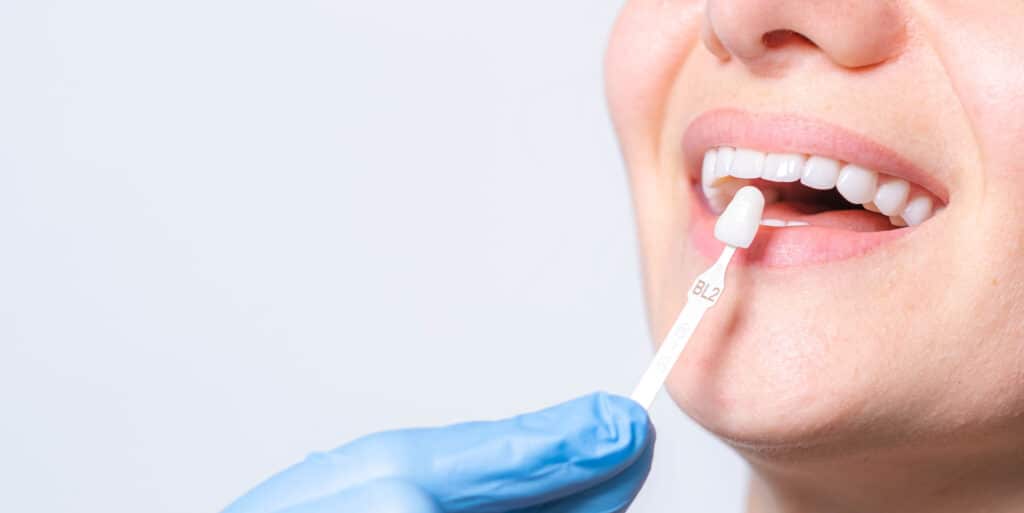
A dental crown is a custom-fitted, protective cap placed over a damaged or decayed tooth to restore its shape, strength, and function. In Garner, NC, the cost of a dental crown varies based on the chosen material, clinical technology used, and whether you utilize dental insurance or self-pay options. Additionally, medical literature supports that the type of post used for dental crowns affects the long-term prognosis of crowned endodontically treated teeth [1] (Alenezi et al., 2026).
How Delaying a Dental Crown Costs You More Money
You might feel tempted to push off your dental crown if your tooth does not hurt right now. However, waiting usually leads to higher out-of-pocket costs. Tooth decay never stops on its own. If a cavity spreads too deep, it can reach your nerve. When that happens, you need a root canal before the crown can even be placed. In severe cases, the tooth breaks beyond repair. You then face the added cost of a surgical extraction and a dental implant. Fixing the issue early keeps your budget under control and safely preserves your natural tooth.
Why Your Dental Insurance Might Deny Your Crown Claim
Navigating dental benefits often feels frustrating. Sometimes, insurance companies deny claims for dental crowns. They usually do this if they classify the procedure as cosmetic rather than medically necessary. For example, if you want a crown just to change the shape or color of an otherwise healthy tooth, your PPO plan will likely not cover it. Your provider wants to see X-rays showing significant decay or a visible fracture. At Timber Family Dental, our clinical team takes detailed intraoral photos. We send this visual proof directly to your insurance company to help get your restorative treatment approved.
Dental Crown vs. Large Filling: Which Is the Better Investment?
Patients often ask if they can just get a standard filling instead of paying for a crown. A filling costs less upfront. However, it is not always the smartest financial choice. If a tooth loses more than half of its natural structure, a standard filling cannot support the daily pressure of chewing. Over time, that large filling will crack. You will end up paying for the broken filling, plus the cost of the crown you needed in the first place. A custom crown wraps securely around your whole tooth. It distributes your bite force evenly, making it the most durable investment for a damaged tooth.
Comparisons: Evaluating Crown Materials
Choosing your crown material is a collaborative process. Here is a breakdown of the most common options to help you understand your choices based on Cost, Durability, and Maintenance Level.
Material Type | Primary Purpose & Aesthetic | Cost Expectation | Durability (Care Lifespan) | Maintenance Level |
All-Porcelain / Ceramic | Highly aesthetic; reflects light like a natural tooth. Best for front teeth. | Moderate to High | High (10-15 years with proper care). | Low (Standard brushing and flossing). |
Zirconia | Exceptional strength combined with good aesthetics. Best for heavy chewers. | Moderate to High | Very High (Resists chipping and cracking). | Low (Standard brushing and flossing). |
Gold / Metal Alloy | Maximum durability for back molars. Stands up to severe teeth grinding. | High (Fluctuates with market metal prices). | Maximum (Can last decades). | Low (Standard brushing and flossing). |
How to Save on Crown Costs Without Traditional Dental Insurance
Clinical literature indicates that, on average, single-implant crowns cost $2,161.64 [2] (Tekpinar et al., 2024). Losing your employer dental benefits does not mean you have to sacrifice your smile. If you are an uninsured patient in Garner, you have multiple ways to make a dental crown affordable. You can use pre-tax dollars from your Flexible Spending Account (FSA) or Health Savings Account (HSA) to pay for the procedure. Second, you can turn to third-party lenders such as CareCredit. The service lets you spread the full cost into affordable, interest-free, monthly payments. We design our payment solutions to help you get necessary care without the financial stress.
3 Simple Ways to Protect Your Dental Crown Investment
A dental crown is a serious financial investment. You want to make sure it lasts for a decade or more. Protecting your new custom crown requires a few simple daily habits. First, brush and floss around the base of the crown every single day. While the ceramic material cannot get a cavity, the natural tooth underneath still can. Second, wear a custom night guard if you clench or grind your teeth while you sleep. Constant grinding easily chips porcelain over time. Finally, keep up with your six-month preventive checkups at Timber Family Dental. We will monitor the margins of your crown to ensure it stays securely sealed.
FAQs
1. How much is a dental crown in Garner, NC without insurance?
The average cost of a custom dental crown for a self-pay patient is typically between $1,000 and $1,600. The fee is to cover the cost of premium materials, digital scanning technology, and custom lab fabrication needed to get a perfect fit.
2. Does dental insurance pay for a crown?
No. Most standard dental insurance plans classify a crown as a “major restorative” procedure. This typically means that they will pay up to 50% of the costs, and you will have to pay the rest. Our administrative team will handle the claims process, allowing you to maximize your specific benefits.
3. Are there hidden costs with temporary crowns?
No. At Timber Family Dental, the cost of your temporary crown is factored into your comprehensive treatment plan.
References
[1] Alenezi, A., & Alsalhi, H. (2026). Clinical Outcomes and Complication Rates of Crown Restorations with Various Endodontic Posts: A Retrospective Analysis. Journal of functional biomaterials, 17(2), 84. https://doi.org/10.3390/jfb17020084
[2] Tekpınar L, Yiğit V. Cost-Effectiveness Analysis of Implant-Supported Single Crown and Tooth-Supported Fixed Dental Prostheses in Türkiye. Value Health Reg Issues. 2024;42:100979. doi:10.1016/j.vhri.2024.01.001